
Soil
Remediation
Contaminated land assessed, planned and remediated, from the first site assessment through to validation. Bulk earth remediation and disposal, PFAS and chemical contaminants, and asbestos in soil. Usually the job that comes straight after a demolition.
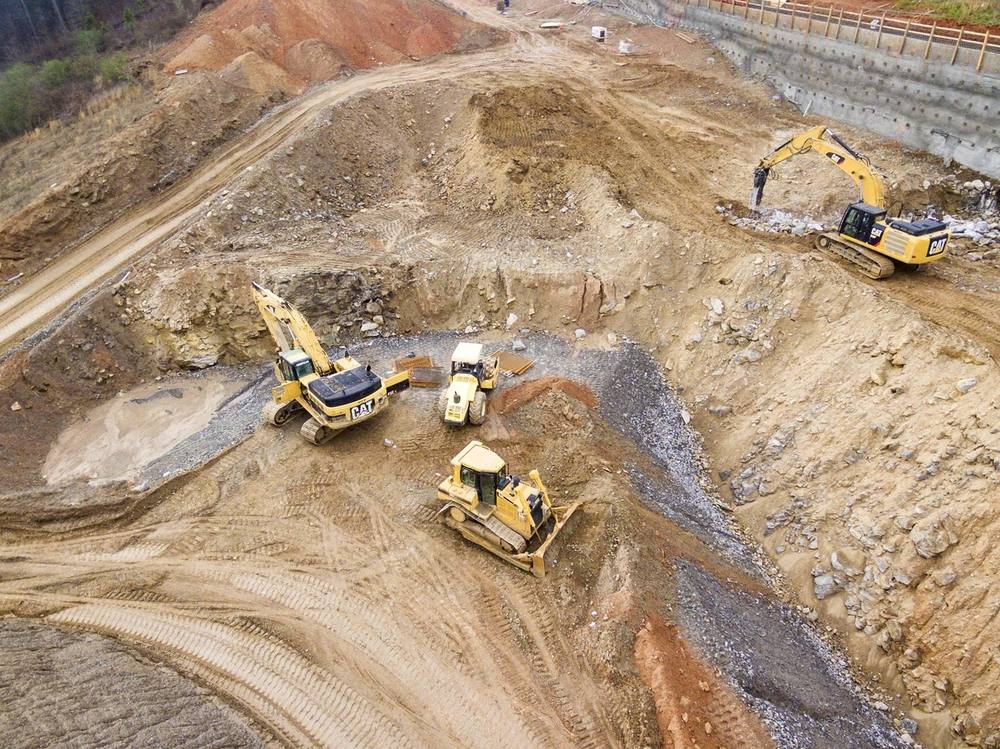
What is in the
ground decides
what goes on it.
A site cannot be redeveloped until someone has worked out what is in the ground, how much of a risk it is, and what has to happen to it. Soil remediation is that whole sequence: assessment, a plan, the earthworks, and the testing that shows the land is fit for its next use.
We design and implement contaminated land remediation for developers, councils and businesses. The work runs from quantitative and qualitative site assessment and environmental and human health risk assessment, through Remediation Action Plans, to bulk earth remediation and disposal.
Because we also run the demolition, the remediation does not start from scratch. The crew that took the structure down already knows what was in it, which is often exactly what ended up in the soil underneath.
The aim is to avoid, and potentially eliminate, traditional environmental liabilities.
Advanced DeconstructionAssessment
to validation.
Contaminated land remediation for development sites, council land, and commercial and industrial property.
- Site AssessmentQuantitative and qualitative assessment of what is in the ground, where, and how much.
- Risk AssessmentEnvironmental and human health risk assessment of the contamination found.
- Remediation Action PlansRAPs setting out how the contamination will be dealt with, and how success will be measured.
- Bulk Earth RemediationExcavation, remediation and disposal of contaminated soil and fill.
- PFAS and ChemicalsPFAS, PFOA and PFOS, heavy metals, petroleum hydrocarbons, PCBs and organic chlorides.
- Asbestos in SoilAsbestos-contaminated land remediation under our Class A and B licences.
- Testing and ValidationSoil testing and validation sampling to show the land is fit for its next use.
- Compliance ReviewIdentifying legal non-compliance and areas of non-conformity, with practical steps to fix them.
Exactly what we
hold, by jurisdiction.
| Jurisdiction | Demolition licence | Asbestos |
|---|---|---|
| QUEENSLAND | UNRESTRICTED | CLASS A & B |
| SOUTH AUSTRALIA | UNRESTRICTED | CLASS A & B |
| WESTERN AUSTRALIA | UNRESTRICTED | CLASS A & B |
| TASMANIA | UNRESTRICTED | CLASS A & B |
| VICTORIA | UNRESTRICTED | CLASS A & B |
| ACT | UNRESTRICTED | CLASS A & B |
| NEW SOUTH WALES | OVER 15 METRES | CLASS A & B |
Licences are held per jurisdiction, not nationally. Crews travel as required and have completed work from Brisbane to Perth and Hobart to Weipa.
Five stages.
Evidence first.
Nothing gets dug up until it has been measured. The remediation is designed around what the assessment actually found, not what a site like this usually has.
Site assessment
Quantitative and qualitative assessment establishes what contaminants are present, where they are and at what concentrations, before any earthworks are planned.
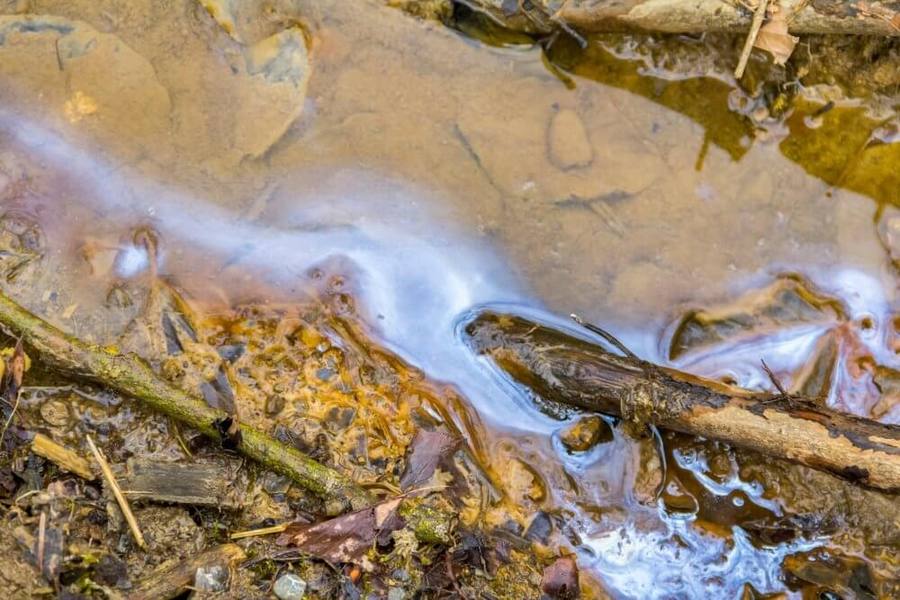
Risk assessment
Environmental and human health risk is assessed against the intended use of the land, which decides how far the remediation has to go.
Remediation Action Plan
A RAP sets out the method, the extent of works, how material will be handled and disposed of, and how the result will be validated.
Bulk earth remediation
Contaminated soil and fill is excavated, managed and remediated or removed for disposal in line with the plan, with plant and cartage run by the same team.
Testing and validation
Validation sampling and soil testing confirm the remediation has done what the plan said it would, and the results are documented for the next stage of the project.
Land that has to
be proven clean.
Remediation for owners and developers who need the evidence, not just the earthworks.
Development Sites
Land being prepared for redevelopment, where the remediation has to be signed off before construction starts.
02Council Land
Contaminated land assessment and remediation for local government.
03Commercial and Industrial
Legacy contamination on commercial and industrial property, including hydrocarbons and heavy metals.
04Asbestos-Contaminated Land
Soil and fill contaminated with asbestos, often left behind by earlier demolition.
05PFAS and Chemical
Persistent organic pollutants including PFAS, PFOA and PFOS.
Soil Remediation,
by sector.
The questions
we actually get.
Written for the person who has to justify the appointment internally, not for a search engine.
What is a Remediation Action Plan?
A Remediation Action Plan, or RAP, sets out how contamination on a site will be dealt with: what is there, how far the works need to go, the method, how material will be handled and disposed of, and how the result will be validated. It is the document the earthworks are measured against.
Do you do the assessment as well as the earthworks?
Yes. We carry out quantitative and qualitative site assessment and environmental and human health risk assessment, develop the Remediation Action Plan, and then deliver the bulk earth remediation and disposal. Keeping it together means the plan is written by the people who will have to carry it out.
What contaminants do you deal with?
PFAS, PFOA and PFOS, heavy metals, petroleum hydrocarbons, PCBs, organic chlorides, and asbestos in soil and fill.
Can you remediate asbestos in soil?
Yes. Asbestos-contaminated land remediation is carried out under our Class A and B asbestos licences, using the same process and documentation as our asbestos management work.
Who do you do this work for?
Developers, councils and businesses, most often on land being prepared for redevelopment, and very often straight after we have demolished the structure that was standing on it.
How do you show the land is clean?
Through validation sampling and soil testing once the works are complete, measured against what the Remediation Action Plan set out to achieve, with the results documented for the next stage of the project.
Rarely one
discipline alone.
A soil remediation job usually pulls in one or two of the others. All of them are delivered in-house, under the same licence structure and the same safety system.
Technical Demolition
Live, occupied, heritage and access-restricted structural demolition.
02Demolition Works
Full-scale commercial, industrial and residential demolition under unrestricted licence.
03Asbestos Management
Class A and B removal, registers, air monitoring and independent clearance.
05Temporary Works
Engineered propping, containment scaffold and support for retained structures.
06Concrete Specialists
Concrete and slab cutting, wall penetrations and robotic demolition.
Price a
project
Scope, drawings, site constraints. We will tell you what is actually involved, including the parts nobody else mentions.
Start an enquiry Emergency responseUrgent
works
Structural failure, unexpected asbestos, a site that has to be made safe today. Straight to a person, not a form.
1300 988 488 Capability statementSend to
your team
The full capability statement, licences and recent project record, as a PDF you can put in front of a pre-qual panel.
Download